Everyone Needs a Little History
Inverness Cathedral
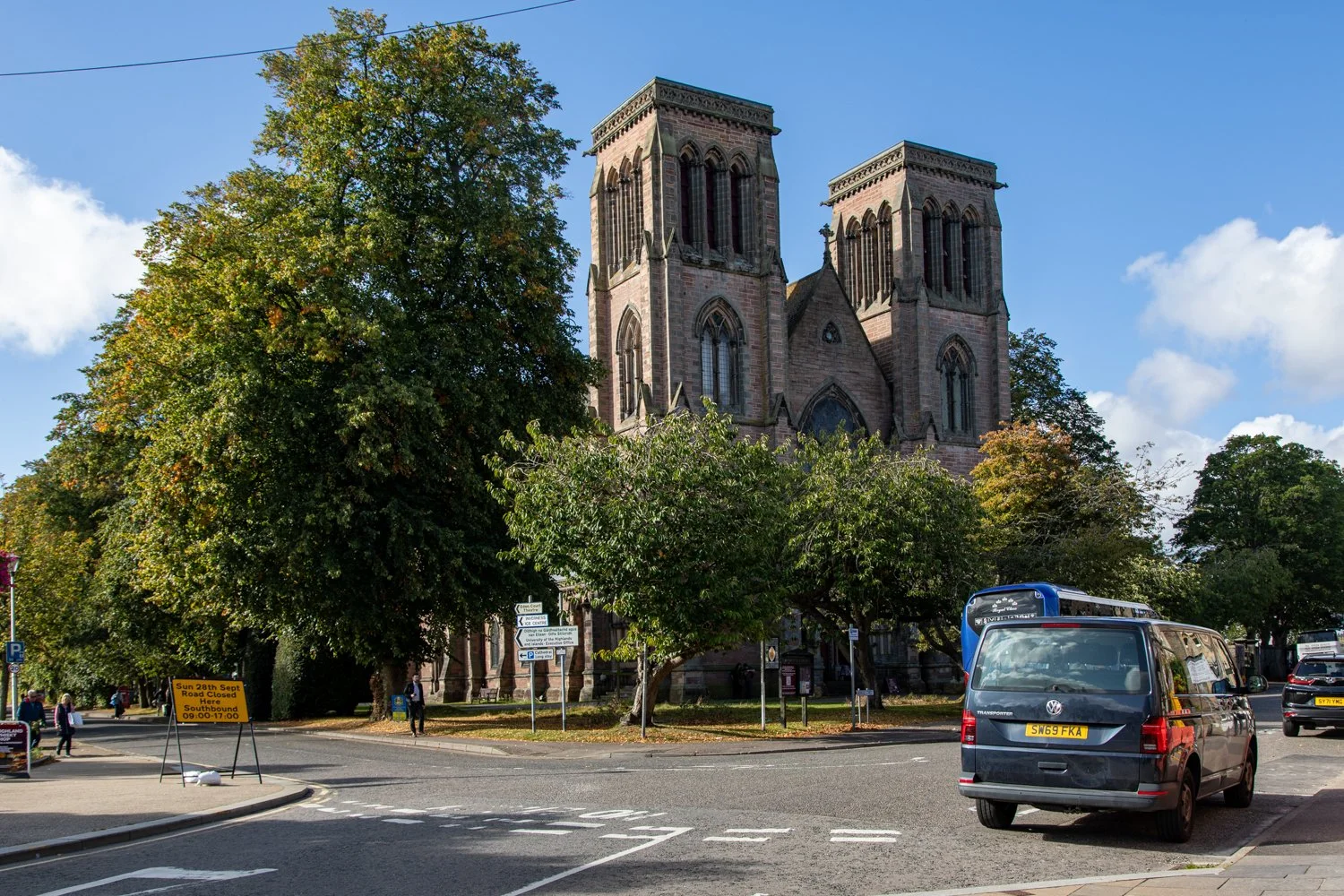
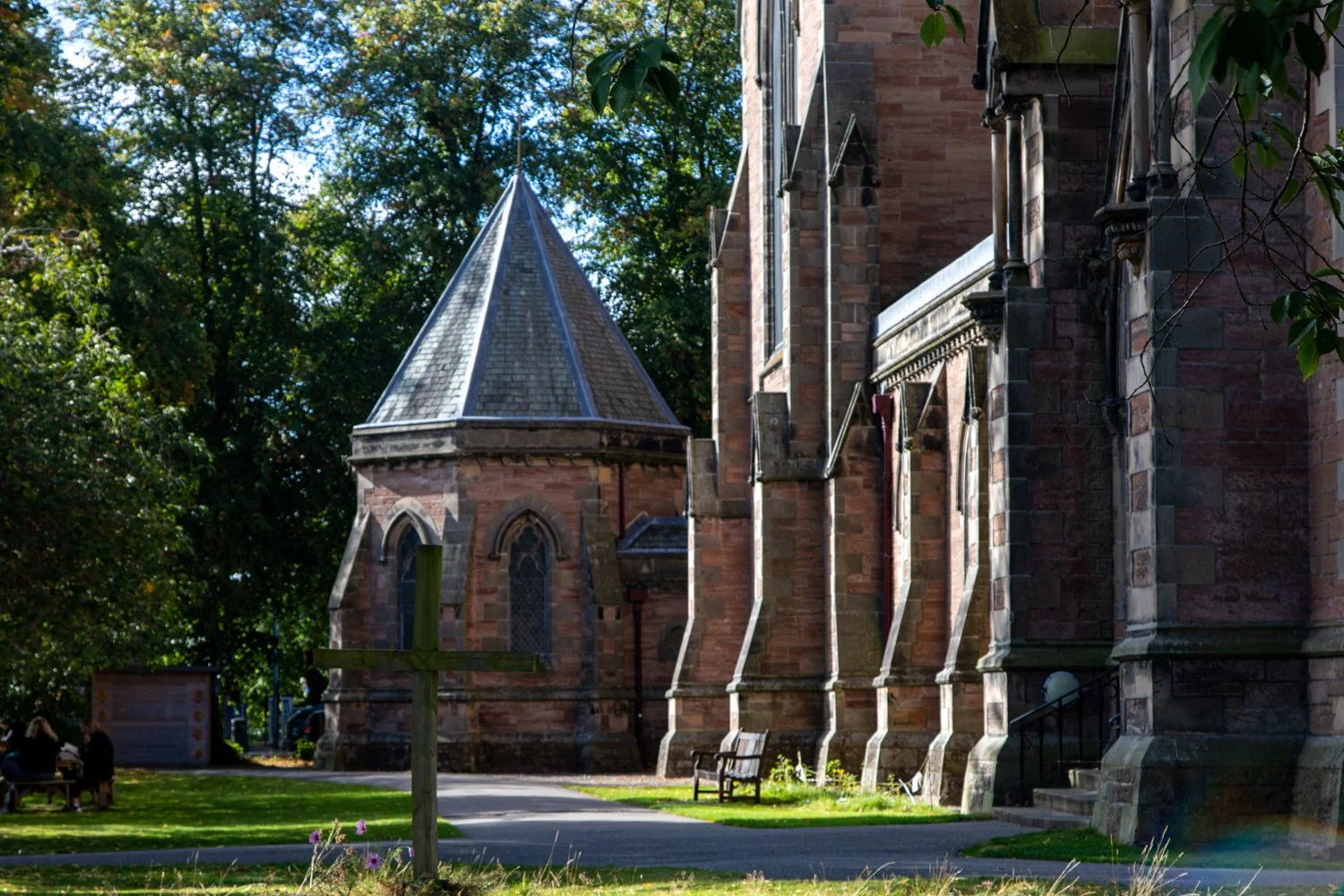
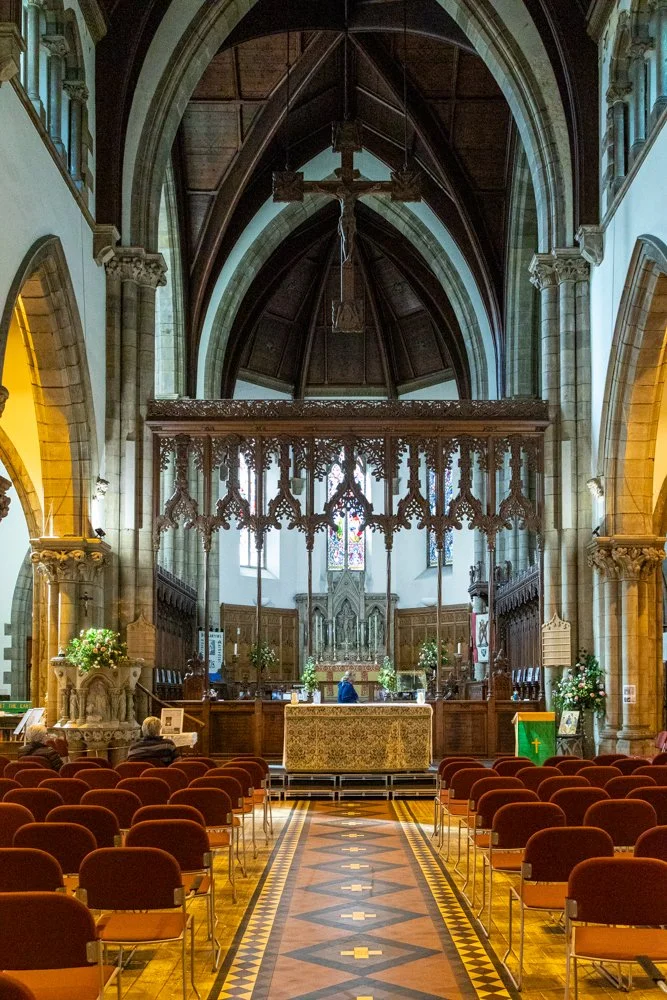
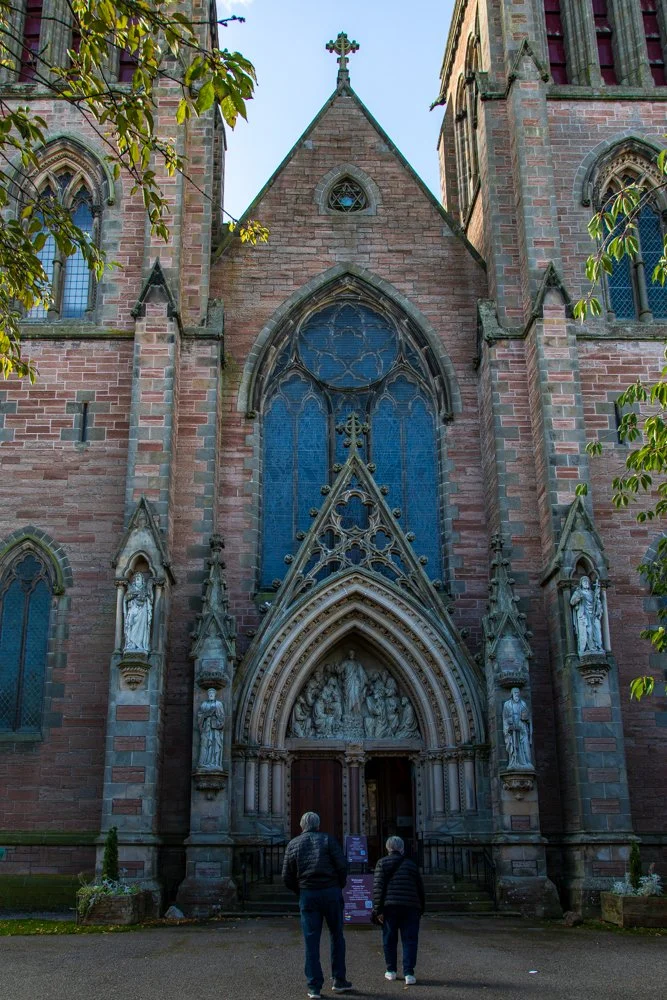
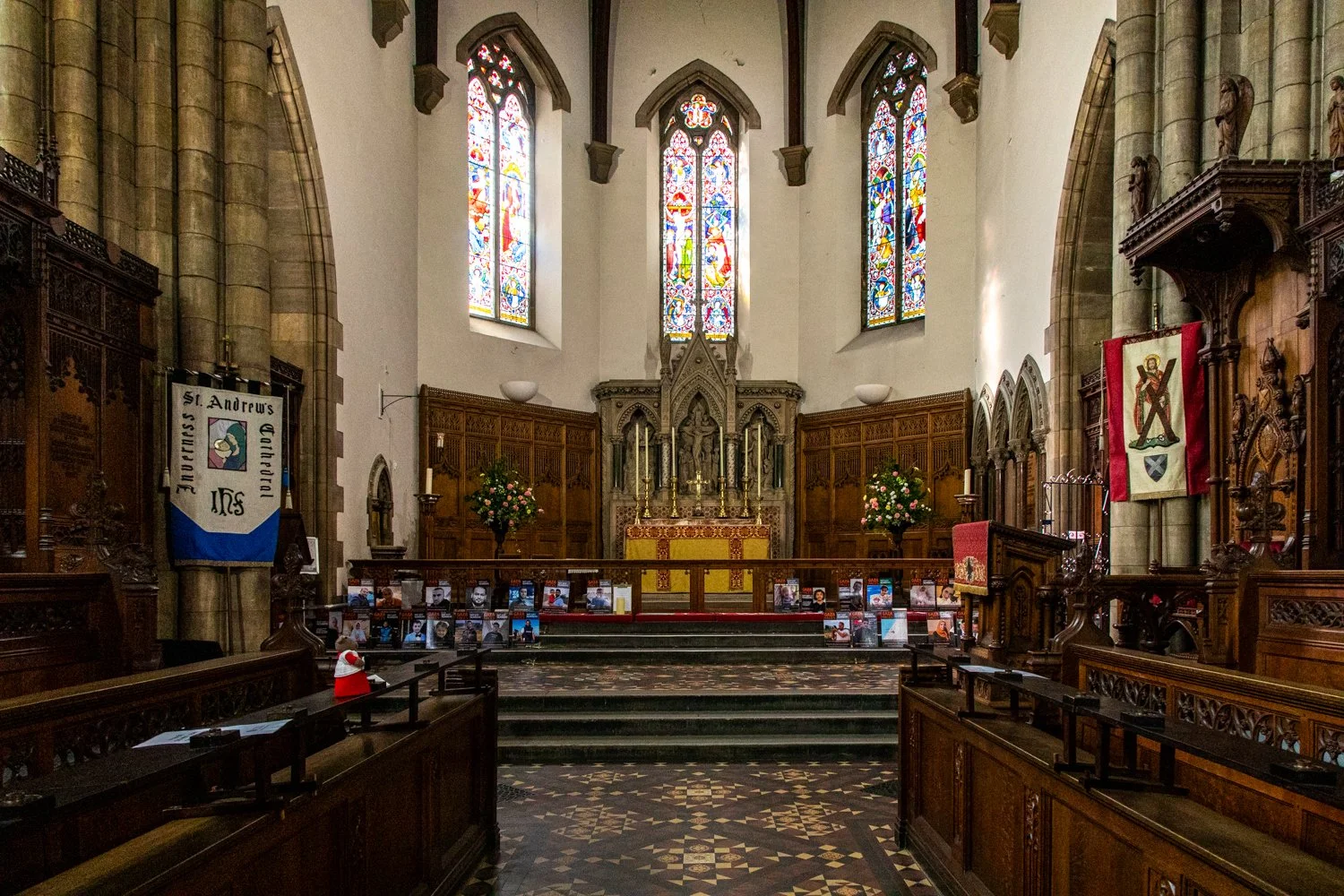
Inverness Cathedral or the Cathedral Church of St. Andrews is located on the West Bank of the River Ness, opposite the Castle. It is a beautiful cathedral with a very homely feel to the places. It is of the Gothic Revival style built between 1866 and 1874. However, the current cathedral’s history is predated by centuries and has a long religious significance going back to the times of St. Columba.
St. Columba, also known as Colum Cille, was an Irish abbot and missionary credited with spreading Christianity in Scotland during the 6th century. Born around 521 AD, he founded the monastery on the island of Iona, which became a centre of religious learning and culture. Revered as a saint in both the Catholic and Orthodox traditions, St. Columba is remembered for his devotion, scholarship, and role in bridging the spiritual heritage of Ireland and Scotland.
During the Scottish Reformation of 1559, the previous Cathedral became a roofless ruin.
The Scottish Reformation of 1559 was a pivotal moment in Scotland's religious history, marking the country's shift from Roman Catholicism to Protestantism. Sparked by growing discontent with the Catholic Church's practices and influenced by the broader European Reformation, figures like John Knox played a crucial role in advocating for reform. The movement led to the establishment of the Church of Scotland, a Presbyterian denomination, which profoundly shaped Scotland's religious, cultural, and political landscape in the centuries that followed.
In 1853, Bishop Eden proposed that there should be a Cathedral in Inverness and in 1866 the foundation stone was laid by the Archbishop of Canterbury. And services started in 1869. However, the debt of 8000pds had to be paid off before the Cathedral could be consecrated which happened in 1874.
The architect was Alexander Ross who was the Provost of the Burgh from 1889-1895.
The Provost of the Burgh is a historic Scottish civic title, equivalent to a mayor. The role involves leading the town council, representing the burgh, and overseeing local governance. Historically, the Provost had judicial and ceremonial powers, but today the role is mostly ceremonial.